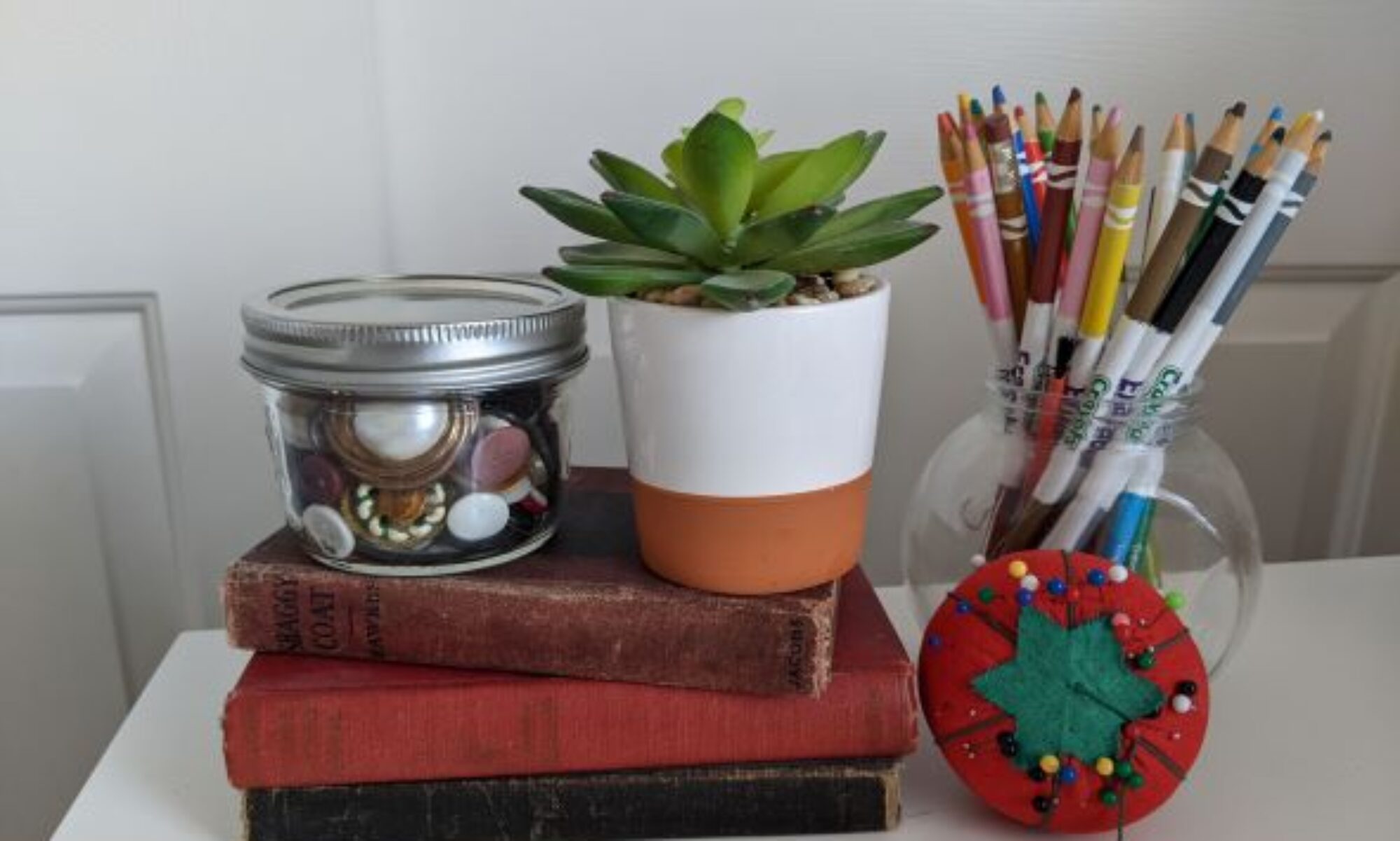
I first came across this term in Twyla Tharp’s book “The creative Habit”. She says each of us has a creative DNA–our creative hardwiring, the way we see the world and express ourselves. She imagines that we have strands of creative code that govern our creative impulses. Tharp goes on to say that though she can’t scientifically prove it, you might sense this when you try to understand, why you’re a photographer, or a writer, or a dancer, or a singer or…any combination of these. Why you are drawn to express yourself in some ways, but not others.
And even in a specific creative field, one can narrow it down. For example: a writer might prefer a particular genre…poetry let’s say. Then within that genre does the poet compose beautiful nature poems with flowing stanzas, or deep introspective pieces using sharp, crisp language?
Your Creative DNA makes you unique
For me, this is the key. Just as our genetic make up makes us unique individuals, our creative “dna”, how we view the world and express ourselves, makes us uniquely creative.
In describing my creative DNA, I would say that I see life through a positive lense, finding moments and turning them into words, stories, and images that others can relate to. I express myself through a blend of writing, sewing, and photography, with a few threads of music and art tossed in.
No one else has my exact creative code so whatever I create–a book, a story, a garment, a photograph–it will be unique. And here’s the exciting part: whatever you create withyour unique mix of creativity is unique as well! With this in mind, we can celebrate each other without envy. We should no longer say “I want to write like you, or cook like you, or sew like you, or sing like you, or….”
You be you. I’ll be me. And together we will fill the world with amazing, glorious things!
Threads of Thought
Describe your creative DNA. What types of creative expression are your drawn to? What is something you would like to try?
I recently had a chance to meet authors and readers at a book event in the presence of an entire bookstore of creativity!
What do you write? This is the first question I’m asked when I tell someone I’m a writer. sure, I can rattle off the titles of my books, but it goes deeper than that. Writing is part of my creative DNA, and within that realm my overarching genre is Creative Nonfiction. What’s that you ask?
Creative nonfiction is a form of writing that uses the creative techniques of literature to tell a true story. A CNF writer incorporates figurative language and storytelling elements such as dialog, character development, theme, pacing, plot, foreshadowing, setting, conflict and resolution. The goal is to communicate a bit of the real world in a way that will sing on the page, creating a piece of writing that will inform or change the reader, make an impact, bring a smile, a tear, or an ah-ha moment.
When I mentioned this to someone recently, she said that she’d attended a creative nonfiction writing group meeting that was all about trauma and self-indulgence. I get it, the genre can be trauma laden and many best selling titles lean this way. I tend to stick to the lighter side of life in my writing. I’ve found that you don’t have to have lived an extraordinary life or write about traumatic experiences to pull in an audience. I think within the CNF genre there’s a place for everyday experiences and honest emotions that connect us as humans, stories that people can relate to, or think about, or laugh along with. (Like transitioning out of a lifelong career, or experiencing a not-so-perfect vacation.)
So what do I write? The short answer is…I write true stories, well told.
Moments bloom into words.
Thanks for asking….( you can find my words here! )
Last fall, I had the opportunity to visit Antoni Gaudi’s Sagrada Familia in Barcelona. It’s a breathtaking masterpiece of architecture the likes of which the world has never seen. A true work of art. So how does art come to life? Creativity to be sure. A flash of inspiration, a connection to your muse, a fearlessness to try something new and fresh. But there needs to be more. In reading Twyla Tharp’s The Creative Habit, I came across this quote:
If art is the bridge between what you see in your mind and what the world sees, then skill is how you build that bridge.
It’s interesting that Tharp uses the analogy of building a bridge. Besides creativity, Gaudi needed skills to make the outrageous ideas in his head come to life in the form architecture: knowledge of engineering, materials, drafting plans. When creativity and skill rub up against each other, magic happens.
I’m not an architect, but I thought about how this idea applies to my creative endeavors. When I begin a sewing project, my creative self picks out fabric and patterns, imagining how the finished garment will look and where I will wear it. Sometimes I will even go off the grid and modify a pattern or come up with a new one. But it takes skill to bring this garment to life. Basic sewing and construction skills certainly, but more than that. To take my sewing to the next level, I need to keep improving and learning new techniques.
My mother taught me to sew , and my foundational skills have served me well. But lately I haven’t been satisfied with my finished projects. I friend sent me a link to a video about perfecting the finishing details that take a garment from looking “homemade” to looking professional: interfacing, fabric choices, pre-washing, pressing techniques, different types of seams. Practicing, taking time to learn new things can get me to the next level.
Same with writing. It starts with creativity. A idea, an inspiration comes to my mind, the muse visits and I fly to the computer to capture the words. That’s the fun part. But I need skill to take it to the next level, revisions, editing, rewriting, then finally, publishing. As a self-published author I need to know or learn how to format a book, design a cover, and market creatively. According to Tharp:
In order to be creative you have to know how to prepare to be creative.
By that she means developing a habit of practice and skill building. Make a commitment to the art. Give it the time it needs to develop each day. Participate with other writers in writing groups and forums. Write a lot. Read a lot. It takes work.
So why? Why do it? Here’s a favorite quote from author Elizabeth Gilbert:
I thank creativity for allowing me to engage with it at all. Because it’s all pretty amazing–what we get to do.
That’s why.
Author at Work
Writer in progress: learning more about my craft, and myself, with each project. Check it out! You can find my books here!
Threads of Thought
Your turn. What creative endeavors do you enjoy? What skills do you have to support your creative work. Are there skills would you like to work on?
The 2025 Tucson Festival of Books 2025 is “in the books!” It was a beautiful weekend in Tucson drawing an estimated 130,000 visitors to the University of Arizona Campus for one of the largest book festivals in the nation. This was my third time at the festival, once as a visitor, and twice to showcase my books as part of the Indie Author’s Pavilion. Many of you, family, friends, people who follow me on fb, instagram, or my blog are curious about my experience. So, in a weird sort of way, I’ll be playing the part of the interviewer and the interviewee as I fill you in on some of the questions I’ve been asked.
How did you get to be one of the Indie authors presenting at the festival?
I submitted my self-published book (Until Italy: A Traveler’s Memoir) to the TFOB Indie Author’s Committee for review by the September 15 deadline. The guidelines state that to be considered the book had to have been published within the past 2 years. The book then went through a selection process and in December I received notice that my book had been accepted as one of the books to be featured in this year’s Indie Author’s Pavilion. I was thrilled to be given this opportunity to sign books and meet readers face to face!
What did you do to prepare for the event?
Because this was my second time to appear at the event, I was better prepared. I knew what to expect. Prior to the event, I posted regular updates on my social medial (fb, instagram) accounts. I ordered author’s copies of my books, bookmarks, and invested in a table runner with my author name and logo. The Indie tent is set up with tables and tablecloths, and allows for a small amount of display space. The table runner was a good idea because it packed well, helped my space stand out, didn’t blow down (like some larger table top displays do) and didn’t interfere with the authors on either side of me.
Were you successful? (This is a tricky question, but what most people want to know is did I sell any books?)
Yes! Enough to fund a European vacation? Well no, but enough to cover the cost of my registration fee and a nice dinner out. (or maybe lunch at the local sandwich shop, when you factor in cost of the promotional materials.) In all I sold 7 books at the festival and a few more online this week that might have been a result of the dozens of book marks I handed out with a QR code to my author’s page on the back. My books went home with a man from Italy (what will he think of Until Italy?), a couple that was heading to Italy in a few weeks, a fellow writer from my local writers forum, an author who knew me from facebook, an author who had written a book and was interested in self-publishing, and two retired teachers. But here’s the real payoff:
Writing, putting thoughts to paper, is a solitary act, but to be a writer you need a community. This means being there for writers, learning from those who have more experience, encouraging emerging writers, participating in critique groups and writing organizations, buying and reading books, attending workshops, and yes, celebrating reading and writing. At the Festival of Books, I truly experienced this. Friends and family came to cheer me on, and I met new people, fellow published authors, who had come from all over the country. We shared tips and celebrated each other’s successes.
Participating in TFOB gave me the opportunity to send my words out “gloriously traveling to all sorts of places” (SARK) and touching the hearts, minds and imaginations of other people….this, this is why I write. This is what success means to me.
What’s next?
Another book is in the works. I don’t want to give too much away, but it is centered around my experience with the 52-Hike challenge Ed and I completed last year. Lots of nature writing, adventure and introspection along the way. This work is taking me places I hadn’t expected, and I’m curious to see where I end up. I hope to have the rough draft completed by summer, then edits, more edits, more edits, into the hands of my editor and beta readers, cover design, formatting…there’s lots for an Indie author to do, but I have a great support team, and I love the creative process. Who knows? Maybe I’ll be back at Tucson Festival of Books someday! Watch this space!
Threads of Thought
Be part of the literary community! Celebrate reading and writing! Support local authors and local bookstores. Buy indie authors books and leave a review. Write your own stories or books. Be a part of the 2026 Tucson Festival of Books! http://www.tucsonfestivalofbooks.org
Missed the festival, but would still like a copy? Easy enough! Click here.
I used to think that in order to be a memoirist one had to have led an extraordinary life, and indeed there are many amazing authors out there who fit this description: Cheryl Strayed (Wild ) and Tara Westover (Educated) come to mind. But I’m an ordinary woman. Do I have a story to tell?
This week I was thinking about my latest work in progress and wondering if it was a story worth telling. When stuck, I often find inspiration from other writers. This quote from Rupta Sepetys in You: the Story grabbed my attention:
“Country life, cosmopolitan life, quiet life- all can be equally fascinating based on the writer’s perspective and the details chosen. Remember: it’s not what you’re writing about, it’s how you’re writing about it.”
Quiet life. Small moments that bloom into words. Taking readers along with me on a journey and discovering “ah ha” moments together. This. This is my voice. The voice I’m seeking each time I sit to write. It doesn’t always come easily, in fact, it rarely does, but with time, critiques, editing and revisions, I hope… I know, I will have a story worth telling.
And finally this, from Clarissa Pinola Estes:
I hope you go out and let stories, that is life, happen to you and that you will work with these stories…water them with your blood and tears and laughter till they bloom, till you yourself bust into bloom. The world needs them. The world needs more hearts in bloom.
So here’s to ordinary women, who through the magic of words remind us that all women are extraordinary! If you have a story to tell, tell it! The world needs more hearts in bloom.
Threads of Thought
What makes your heart bloom? Is there a story there?